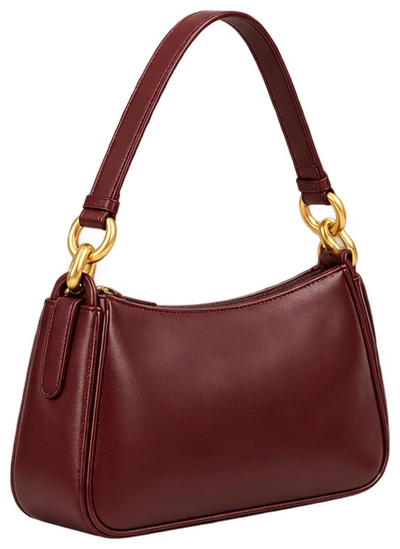
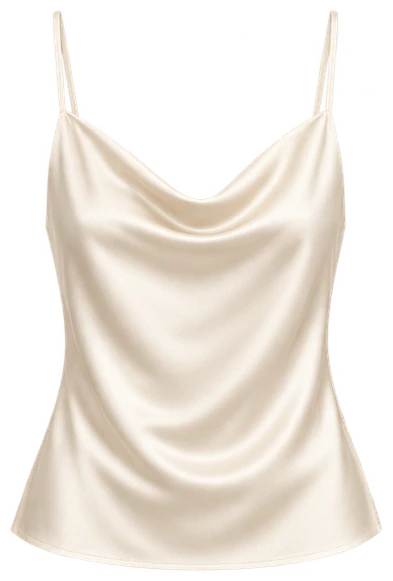
 kulis
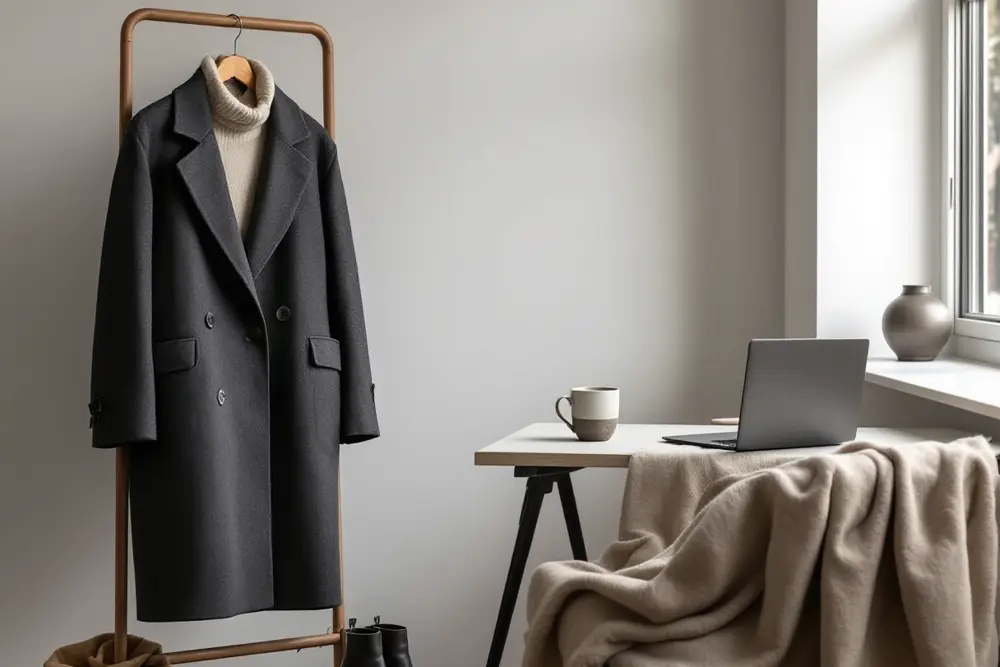
For winter office outfits, dress in three layers: a thin base such as a merino knit or shirt, a removable mid layer such as a blazer or cardigan, and a warm wool coat for the commute. Women can wear wool skirts or knit dresses with opaque tights of 60 denier or more and leather ankle boots; men can pair flannel trousers with a merino sweater and leather boots or loafers. On wet days, wear waterproof boots on the way in and keep your office shoes at your desk.
What should you wear to work in winter?
For work in winter, plan three layers: a thin piece close to the skin, a blazer, cardigan or sweater vest over it, and a coat or padded jacket on the outside. When you arrive, you hang up the coat, drape the blazer over your chair if the heating is high, and the outfit underneath still looks finished on its own. The hard part of winter work outfits is the gap between a cold commute and a heated office.
This guide covers the cold-weather questions only. For year-round combinations with shirts, jeans and skirts, see office outfit ideas. Here you will find fabrics, coats and boots, separate ideas for women and men, tactics for wet days and a five-day plan.
How do you layer for a cold commute and a warm office?
Build the indoor outfit first so it is complete by itself, then get your warmth from the layers you take off. A chunky sweater worn all day usually means overheating by mid-morning; an outfit suited to the office temperature, with a coat and scarf on top for the journey, is easier to live in.
A quick test helps: put the full outfit on at home, take off the coat and sit in a warm room for ten minutes. If you already feel hot, choose a thinner base layer rather than planning to peel things off at work.
- Base layer: a fine merino knit, cotton shirt, long-sleeved blouse or thin turtleneck. It stays on all day, so keep it light.
- Mid layer: a blazer, cardigan or sweater vest. Put it on in a cool meeting room and take it off when the radiators are on.
- Outer layer: a wool coat, a padded or down jacket, or a lined trench. Most of the warmth comes from here.
- Accessories: scarf, gloves and a hat. They hold heat on the way in and fit into a bag or coat pocket at your desk.
Can you wear a sweater, turtleneck or cardigan to work?
Yes. A plain, smooth sweater that fits well looks as tidy as a shirt in most offices. Chunky cable knits, large patterns and anything pilled or stretched read more like weekend clothes.
The turtleneck, called a roll neck or polo neck in British English, is one of the easiest winter office pieces. A fine cream or black turtleneck under a blazer can stand in for a shirt and tie, and it saves you thinking about a collar. If your office runs warm, a mock neck or crew neck is more comfortable.
A sweater vest adds warmth over a shirt without restricting your arms. A grey knitted vest over a white or pale blue shirt works well for men, and the same idea works for women over a shirt or fine blouse. A cardigan is the softer cousin of a blazer: a long, plain cardigan goes with tailored trousers or a skirt, and a short buttoned one sits neatly over a dress. If a meeting calls for a jacket, swap the cardigan for a blazer that day.
What fabrics are best for winter work outfits?
Wool, flannel, corduroy, tweed and cashmere are the core winter office fabrics. They are warm, and their matte, slightly textured surfaces make an outfit look seasonal without extra effort. The table shows where each one is most useful.
Wool blends are often lighter and easier to care for than pure wool. Before wearing a fabric that sheds or builds up static for the first time, try it next to dark trousers.
| Fabric | What it is | Where it works at the office |
|---|---|---|
| Wool and merino | Fibre from sheep's fleece, knitted or woven; merino is a finer, softer wool that sits comfortably against the skin. | Knits, turtlenecks, tailored trousers, suits |
| Melton and boiled wool | Dense, felted wool cloth with a smooth surface that blocks wind well. | Coats, overcoats, structured jackets |
| Flannel | Soft fabric with a lightly brushed surface; wool flannel is used for trousers, cotton flannel for shirts. | Grey trousers, warmer shirts |
| Corduroy | Cotton fabric with raised ridges called wales; finer wales look smarter. | Trousers, jackets, skirts |
| Velvet | Fabric with a short, dense pile and a soft sheen. | Dresses, skirts, blazers |
| Tweed | Rough-textured wool cloth, often woven from several colours. | Blazers, skirts, waistcoats |
| Cashmere | Very soft, light fibre from the undercoat of cashmere goats. | Sweaters, cardigans, scarves |
| Gabardine | Tightly woven cloth that resists wind and light rain. | Trench coats, trousers |
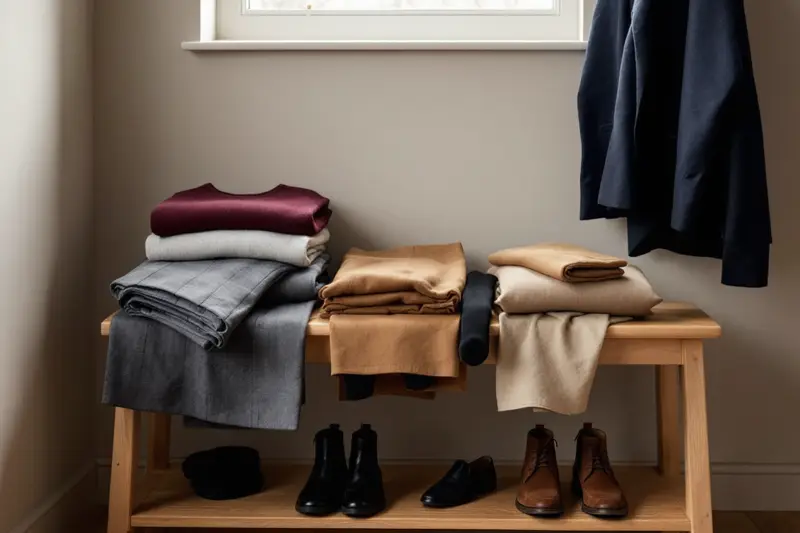
Winter work outfits for women: skirts, dresses and tights
You can keep wearing skirts and dresses to work all winter; warm tights and boots do most of the work. Denier is the unit that measures the thickness of tights (pantyhose in the US): the higher the number, the thicker and more opaque they are. Tights of 60 denier or more are noticeably warmer than sheer pairs and give dark skirts a smooth, continuous look.
Skirts that end at or just below the knee are the easiest lengths to combine with boots and tights. If you like a shorter skirt, opaque tights and a longer blazer balance it; in a conservative office, check what is usual first. If you prefer trousers, thin tights or thermal leggings underneath add real warmth on the commute. Matching your tights to your boots, or choosing a close shade, keeps the leg line simple.
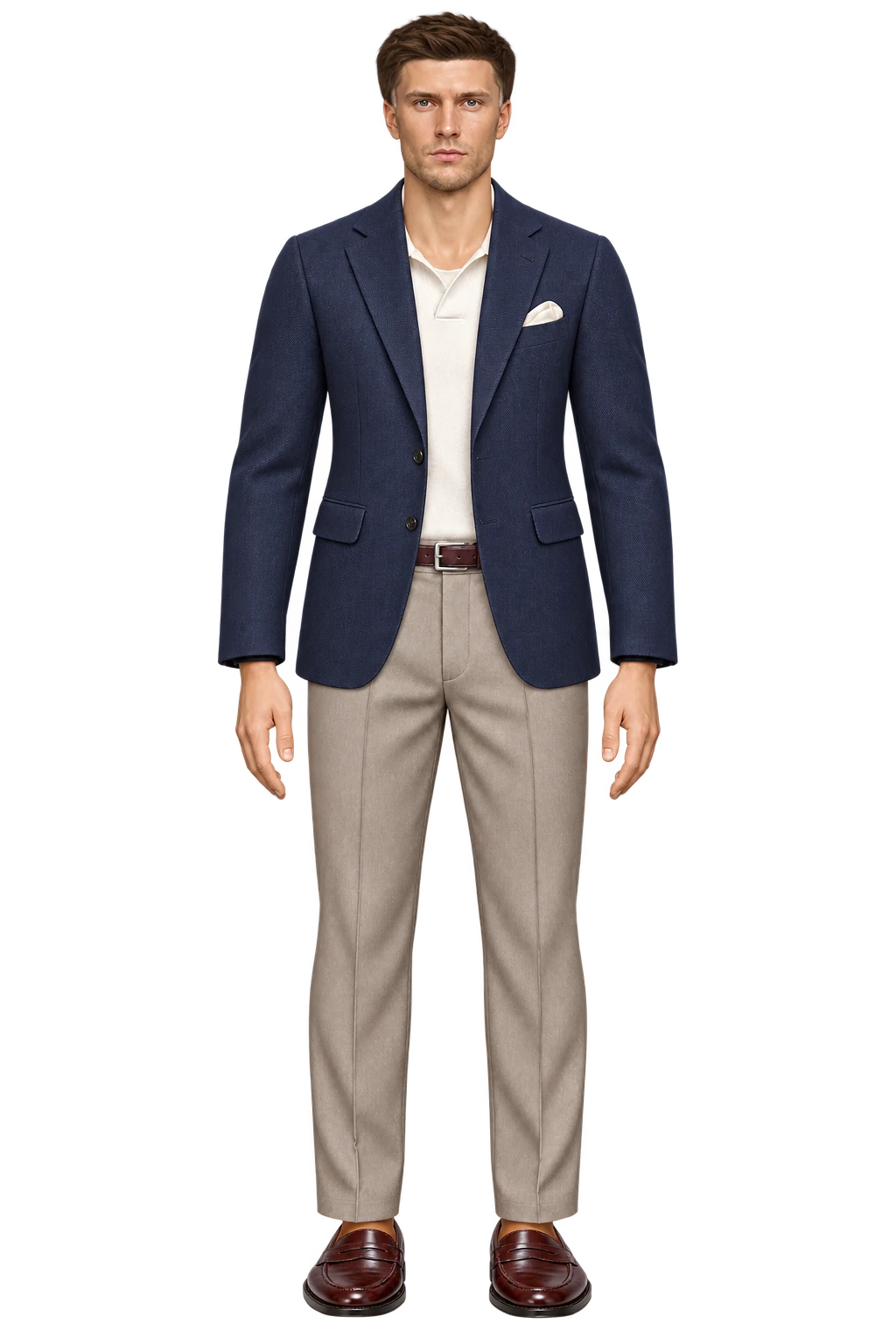
- Grey wool midi pencil skirt, cream turtleneck, black opaque tights and black leather ankle boots.
- Navy or black knit dress, a long plain grey cardigan, black tights and chunky-soled loafers.
- Brown corduroy skirt, ecru shirt with a beige sweater vest, brown tights and tan boots.
- Cream wide-leg wool trousers, a fine camel sweater and brown suede ankle boots.
- Burgundy velvet midi dress, black opaque tights, charcoal blazer and black knee-high boots.
- Charcoal trouser suit with a fine black turtleneck in place of a blouse, and black leather loafers.
Winter work outfits for men: trousers, knits and jackets
The most reliable winter office formula for men is tailored trousers, a fine knit and a jacket. You do not need to give up shirts: a sweater or sweater vest over a shirt keeps you warm and keeps the collar neat in meetings.
If you plan to wear a thicker knit under a blazer, check the shoulders and sleeves first. A slim jacket bought for summer can pull across chunky knitwear, while a winter blazer in tweed, flannel or heavier wool sits more easily over a sweater. Choose wool-blend socks in the same shade as your trousers or darker, so your ankles stay warm and the gap stays unobtrusive when you sit down.
- Grey flannel trousers, white shirt, navy merino crewneck and dark brown leather boots.
- Navy wool trousers, a fine black turtleneck, charcoal wool blazer and black loafers.
- Brown corduroy trousers, pale blue Oxford shirt, cream sweater and tan suede Chelsea boots.
- Charcoal wool trousers, white shirt, grey sweater vest, navy blazer and black leather Derby shoes.
- For a relaxed office: dark jeans, a burgundy quarter-zip sweater and brown suede boots.
Coat, puffer or trench: what should you wear to the office?
In a corporate office, a knee-length wool overcoat is the most versatile choice. Navy, charcoal, camel and black coats sit equally well over a suit and over a knit outfit. If you will wear it over a blazer, try the two on together: the coat sleeves should cover the jacket sleeves completely, and the shoulders should not feel tight.
A puffer or down jacket is warmer on very cold days and long walks. Because it spends the day on a hook, wearing one to even a formal office is perfectly fine. For a tidier look, choose a plain colour, a small logo or none, and a length that covers the hips or reaches the knee. A short wool jacket, or a quilted gilet worn over a blazer, is a good middle ground for men.
A trench coat suits mild autumn and early winter days. Gabardine cuts the wind but is rarely warm enough on its own in real cold. Add a thick knit or a thin quilted layer underneath, or choose a trench with a removable lining, and it can carry on into midwinter.
Can you wear boots to the office?
Yes, in most offices. Plain leather or suede ankle boots with a slim sole look right with tailored trousers and skirts, while chunky hiking boots, snow boots and shiny sporty boots make an outfit look more casual.
With wide-leg trousers, letting the hem cover the boot shaft looks cleaner; with slim trousers the boot may show, which is perfectly normal. If you sit at a desk for hours, fleece-lined boots can make your feet hot. Thin wool socks with unlined leather boots are often more comfortable.
- Women: black or brown leather ankle boots, flat knee-high boots, low-heeled suede boots, chunky-soled loafers.
- Men: Chelsea boots, chukka boots, lace-up leather boots, suede boots; in corporate settings, black or dark brown leather.
- For snow and ice: a waterproof boot with a grippy sole. If you switch to lighter shoes at work, keep them in your bag or under your desk.
What to wear to work on rainy and snowy days
On wet days, choose a waterproof outer layer, boots with a non-slip sole and trousers that stop clear of the ground. Carrying the shoes you want to wear indoors in a cloth bag is far more comfortable than spending the day in damp boots.
- Hems: wide trousers that skim the floor pick up mud and slush. Choose a pair that ends near the ankle that day.
- Suede: water and road salt can stain it. On snowy days choose leather or waterproof boots; a protective spray applied in advance also helps suede.
- Wool coats: they cope with light drizzle but grow heavy as they soak through. In steady rain, a trench, a water-repellent jacket or an umbrella works better.
- Tights: once wet, they stay cold all day. On a very rainy day, trousers may be more practical.
- Spares: a dry pair of socks in your desk drawer can rescue a soggy morning.
Winter outfits for corporate, casual and hybrid offices
In a corporate office, blazers and leather shoes lead; in a casual office, a knit and dark jeans are enough; on work-from-home days, a neat top half for the camera is all you need.
In banking, law, consulting or any client-facing role, a wool suit or tailored trousers and a blazer, with a shirt or fine turtleneck underneath and leather shoes or plain leather boots, is a safe choice. A cardigan may not always replace a blazer there, so keep a jacket at hand on meeting days.
In tech, design or other relaxed offices, dark jeans, corduroy trousers, thicker knits, cardigans and clean suede boots all work. Smart casual is a dress code between formal and casual: relaxed, but neat and considered. It describes most of these workplaces; see what is smart casual for the details.
If you work hybrid and join video calls from home, a plain knit or turtleneck looks clean on camera. If the house is cool, a sweater vest or soft cardigan over a shirt keeps you warm. You do not need separate clothes for office and home days; the same knit works in both.
Which colours work best for winter office outfits?
The easiest winter office colours are navy, charcoal, mid grey, brown, camel, cream and black. They all pair with one another, so a few knits, two or three pairs of trousers and one coat can give you a different outfit every day of the week.
To add colour, burgundy, olive, mustard, forest green and icy blue suit a winter office well. Using one of them in a single piece, such as a knit, scarf or skirt, keeps the outfit calm. For example: charcoal trousers, a cream turtleneck, a burgundy scarf and brown boots; or a navy skirt, an icy blue shirt, a grey sweater vest and black boots.
If you like working with fewer pieces that all go together, the capsule wardrobe approach works in winter too: choose two neutrals and one accent colour, then gather your knits, trousers and coat around that trio. The capsule wardrobe essentials list covers the basic pieces.
A week of winter office outfits
The table below shows five working days from one wardrobe. The big pieces, such as the coat and boots, repeat all week; what changes is the knit, the bottom half and the small details. If you are unsure how to build a look from a single starting piece, how to put together an outfit walks through the process.
Planning once at the start of the week is less tiring than deciding in front of the wardrobe on a cold, dark morning, and it lets you slot in the rainy day ahead of time.
If you have added your winter pieces to your digital wardrobe in Kulis, choose Work under “What's the plan?” to get suggestions built from your own coat, knits and boots. Use “Change pieces” to swap a sweater you are not keen on, then “Add to my outfits” so the week's plan is ready on your phone. How warm a fabric feels and how comfortable a boot is still needs checking in real life.
| Day | Women | Men |
|---|---|---|
| Monday (meeting day) | Charcoal tailored trousers, cream turtleneck, black blazer, black leather ankle boots, charcoal wool coat | Navy wool suit, white shirt, black leather shoes, charcoal overcoat |
| Tuesday | Grey wool midi skirt, burgundy sweater, black opaque tights, black ankle boots | Grey flannel trousers, pale blue shirt, navy merino sweater, brown leather boots |
| Wednesday (rain forecast) | Black straight-leg trousers, navy knit, lined trench, waterproof boots; loafers at the desk | Navy wool trousers, cream turtleneck, water-repellent jacket, leather boots; loafers at the desk |
| Thursday | Navy knit dress, long grey cardigan, black tights, knee-high boots | Brown corduroy trousers, white Oxford shirt, grey sweater vest, navy blazer, tan suede boots |
| Friday (casual or from home) | Dark jeans, camel sweater, brown suede boots; at home, the same sweater with comfortable trousers | Dark jeans, burgundy quarter-zip, brown suede boots; at home, the same knit is enough on camera |
Frequently asked questions
What should I wear to work in winter?
Wear three layers: a thin base such as a merino knit, shirt or fine turtleneck, a removable mid layer such as a blazer or cardigan, and a warm wool coat or padded jacket for the commute. Women can wear skirts and dresses with opaque tights and ankle boots; men can wear tailored trousers with a fine sweater and leather boots. If your office is warm, choose a thin knit over a chunky one.
Can you wear boots to the office?
In most offices, yes. Plain leather or suede Chelsea boots, chukka boots, low-heeled ankle boots and flat knee-high boots all suit tailored trousers and skirts. Chunky hiking boots and snow boots look more casual, so on snowy days you can wear them for the journey and change into lighter shoes at your desk. In a corporate office, black or dark brown leather is the safest choice.
Can you wear a skirt to work in winter?
Yes. A wool, tweed or corduroy skirt at knee or midi length, worn with opaque tights of 60 denier or more and ankle or knee-high boots, makes a warm and tidy winter work outfit. On top, try a turtleneck, a shirt with a sweater vest or a fine sweater. On very rainy days trousers can be more practical, because wet tights stay cold for the rest of the day.
Is it OK to wear a sweater to work?
A plain, fine sweater that fits well is fine in most offices. Merino or cashmere knits, turtlenecks and crewnecks go with tailored trousers, skirts and blazers. Chunky cable knits, large patterns and pilled or stretched sweaters look more casual and can stand out in a corporate office. If you will wear the sweater under a blazer, a thinner knit leaves your arms room to move.
Can you wear a puffer jacket to the office?
Yes. Your coat spends the day on a hook, so its main job is keeping you warm on the commute. For a tidier look in a formal office, choose a plain puffer with a small logo or none that covers the hips or reaches the knee, or opt for a wool overcoat. If you wear it over a blazer, check that the shoulders and sleeves have enough room so the jacket does not crease.
What should men wear to the office in winter?
Grey flannel or navy wool trousers, a shirt with a fine merino sweater over it, and brown or black leather boots make an easy winter office outfit for men. On more formal days add a wool blazer and swap the shirt for a turtleneck if you like; in relaxed offices, dark jeans and a quarter-zip sweater work. Outside, a wool overcoat, scarf and gloves keep you warm and come off easily at work.
Adapt these starting ideas to your plans, comfort and personal style.
Get Kulis