 kulis
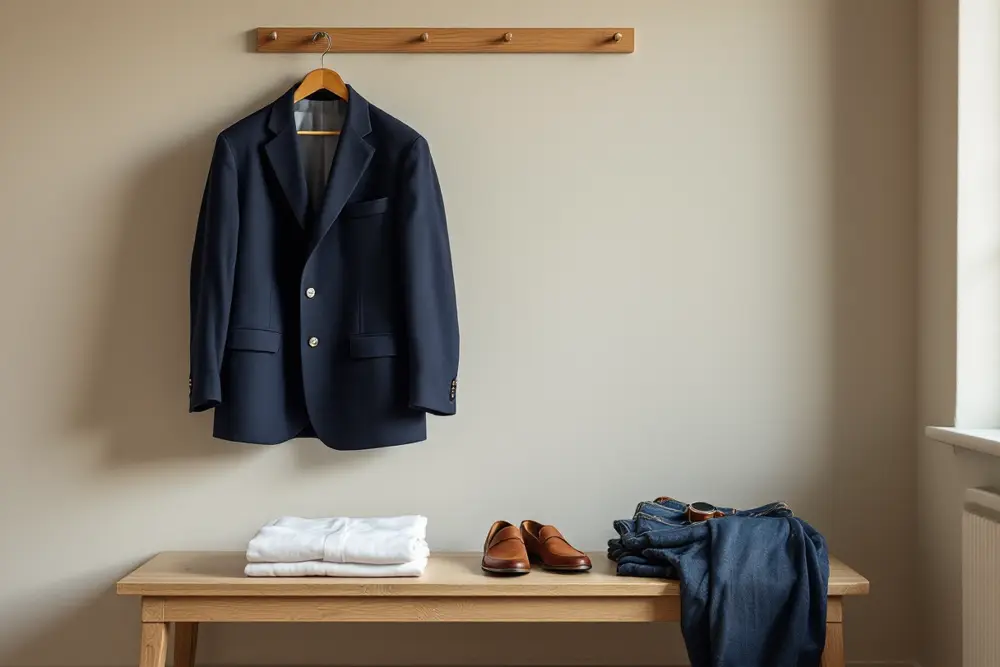
Smart casual is a dress code that pairs relaxed everyday clothes with a few polished pieces, such as a blazer, a collared shirt, tailored trousers, a fine knit or leather shoes. You do not need a suit or tie, and dark unripped jeans and clean minimal leather trainers are accepted in most settings. For women, a cream fine knit, navy wide-leg trousers and loafers is a dependable start; for men, a white oxford shirt, navy blazer, dark jeans and brown suede loafers. Shorts, flip-flops, ripped jeans and big-logo T-shirts usually fall outside it.
What is smart casual?
Smart casual is a dress code in which relaxed, everyday clothes are worn alongside a few neater, more polished pieces. It is less formal than a suit and tie, and more considered than gym kit or beachwear. You will see it on invitations, office emails, restaurant websites and interview confirmations, often with no further explanation.
There is no single official definition, so a restaurant and a company party may read it slightly differently. The common ground is that every smart casual outfit contains at least one piece that pulls it together: a jacket, a collared shirt, tailored trousers, a fine knit or leather shoes. The relaxed pieces stay, as long as they are clean, pressed and fit well.
A quick self-check: if some pieces would suit a weekend coffee and others an office meeting, you are probably in smart casual territory. If everything belongs to the weekend, the outfit is casual; if everything belongs in the meeting room, you have drifted towards business casual.
Dress codes explained: from casual to black tie
A dress code tells you how formal the host expects the event to be, and smart casual sits towards the relaxed end of the scale. The table below orders the common terms from most relaxed to most formal; treat it as a framework, since venues and countries vary.
If no dress code is given, the time and venue are your clues: a lunchtime café feels more relaxed than an evening event in a hotel. Asking the host is never strange. When torn between two levels, lean towards the dressier one, since you can take a jacket off but cannot put on one you left at home.
| Dress code | What it means | Women | Men |
|---|---|---|---|
| Casual | Everyday and relaxed | Jeans, T-shirt, sweatshirt, easy dress, trainers | Jeans, T-shirt, polo shirt, sweatshirt, trainers |
| Smart casual | Relaxed but considered; no suit or tie needed | Tailored trousers or dark jeans, blouse or fine knit, optional blazer; loafers, ballet flats or minimal leather trainers | Chinos or dark jeans, shirt, polo or fine knit, optional blazer; loafers, boots or minimal leather trainers |
| Business casual | Office standard; jeans and trainers often not expected | Tailored trousers, skirt or simple dress, blouse, blazer, closed-toe shoes | Tailored trousers, shirt, often a jacket, no tie; leather shoes |
| Business formal | Formal work setting | Trouser or skirt suit, plain blouse, classic court shoes or loafers | Dark suit, light shirt, tie, leather lace-ups |
| Cocktail | Dressy evening event; floor-length not required | Knee-length or midi cocktail dress, dressy jumpsuit or satin co-ord; heels or dressy sandals | Dark suit, a tie at most events, leather shoes |
| Black tie | The most formal evening code most people meet | Floor-length gown or a very elegant long dress | Dinner suit (tuxedo), white dress shirt, black bow tie, patent shoes |
Smart casual vs business casual: what is the difference?
Business casual is a tidier, office-focused dress code, while smart casual is more flexible and works well beyond the office. Business casual usually expects tailored trousers, a shirt or blouse and often a jacket. Smart casual leaves room for dark jeans, fine knitwear, minimal leather trainers and a little more colour or pattern.
In practice the line is blurry, and some guides rank smart casual as the dressier of the two. One company’s “business casual” can look like another’s “smart casual”, so the setting tells you more than the label. For workwear formulas, see our office outfit ideas. Piece by piece:
- Trousers: business casual means tailored trousers; smart casual also allows chinos and dark jeans.
- Shoes: business casual means leather shoes; smart casual also allows clean leather trainers.
- Tops: business casual means shirts and blouses; smart casual adds fine knits, polos and plain T-shirts.
- Jacket: often expected for business casual; optional for smart casual.
What is smart casual for women?
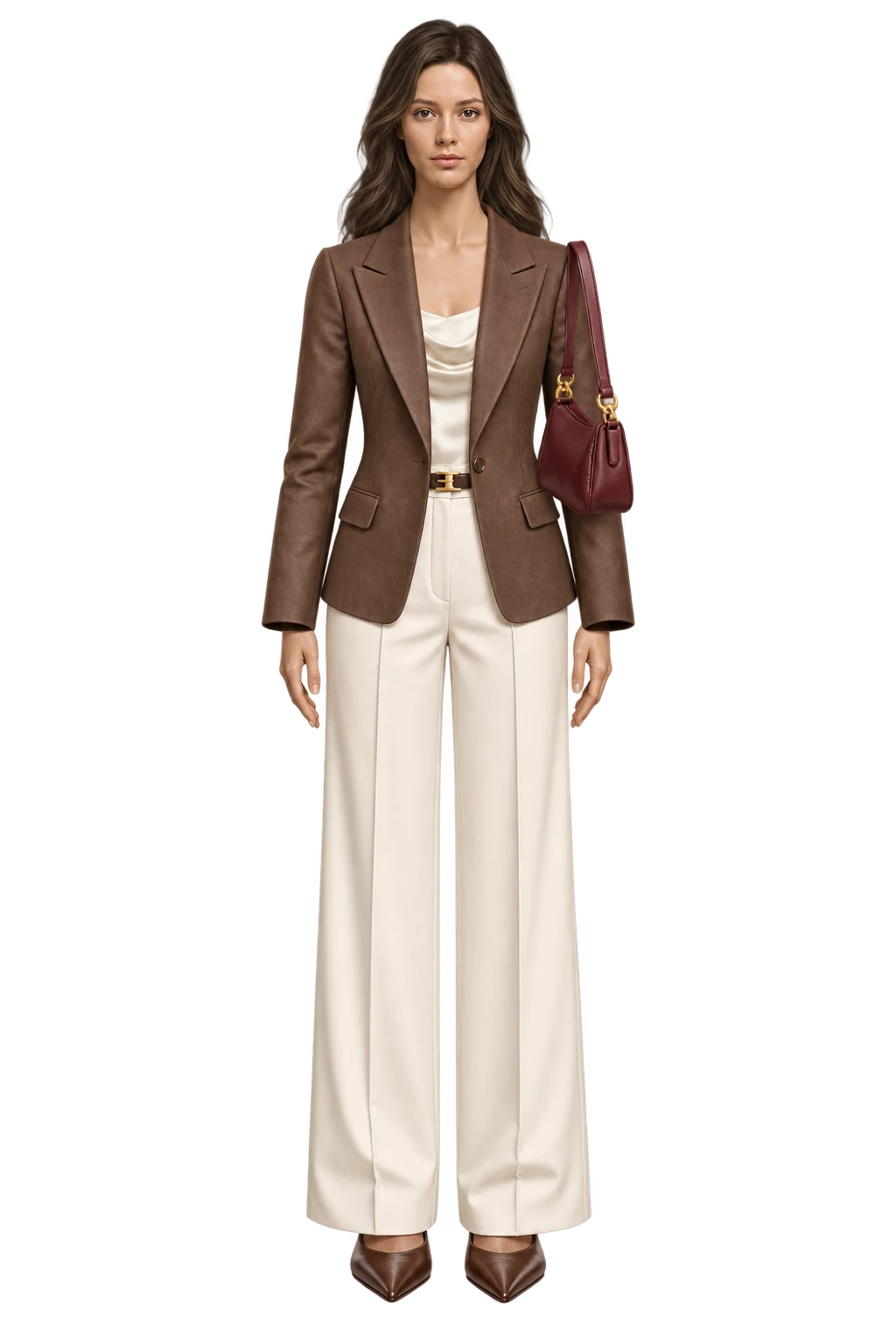
For women, smart casual means a well-cut bottom half, a simple top and clean shoes, or a knee-length or midi dress in a daytime fabric that does the job on its own.
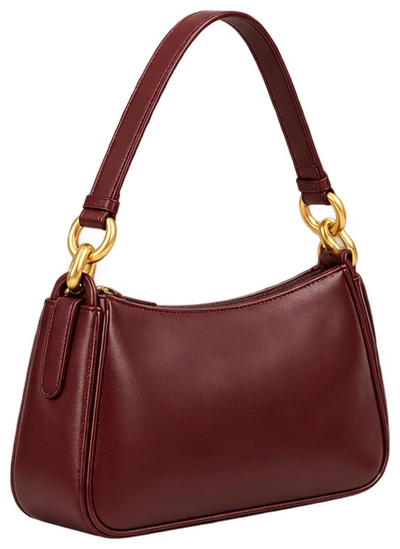
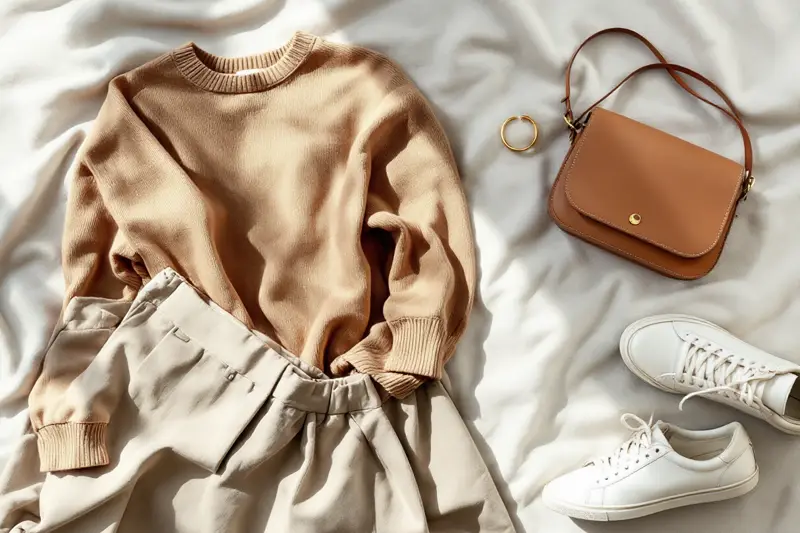
Outfits to try: a cream fine knit, navy wide-leg trousers and black loafers. A white shirt, dark straight-leg jeans, a beige blazer and tan ballet flats. A khaki shirt dress with a slim brown belt and ankle boots. A black midi skirt, a grey knit and white leather trainers. A camel crewneck, stone tailored trousers, white leather trainers and a tan shoulder bag.
Heels are not required; flat loafers or ballet flats look natural in most settings. One or two accessories are enough. Shiny fabrics, sequins and evening gowns move an outfit towards cocktail. These pieces mix and match easily:
- Bottoms: straight or wide-leg tailored trousers, dark straight-leg jeans, midi skirts.
- Tops: silky blouses, white or pale blue shirts, fine knits, plain heavyweight T-shirts.
- Dresses: shirt dresses, knitted dresses, simple midi dresses, belted jumpsuits.
- Layers: blazers, long cardigans, trench coats, wool coats.
- Shoes: loafers, ballet flats, low-heeled sandals, ankle boots, plain white leather trainers.
- Colours: cream, beige, navy, grey, khaki and tan, with one brighter piece if you like.
What is smart casual for men?
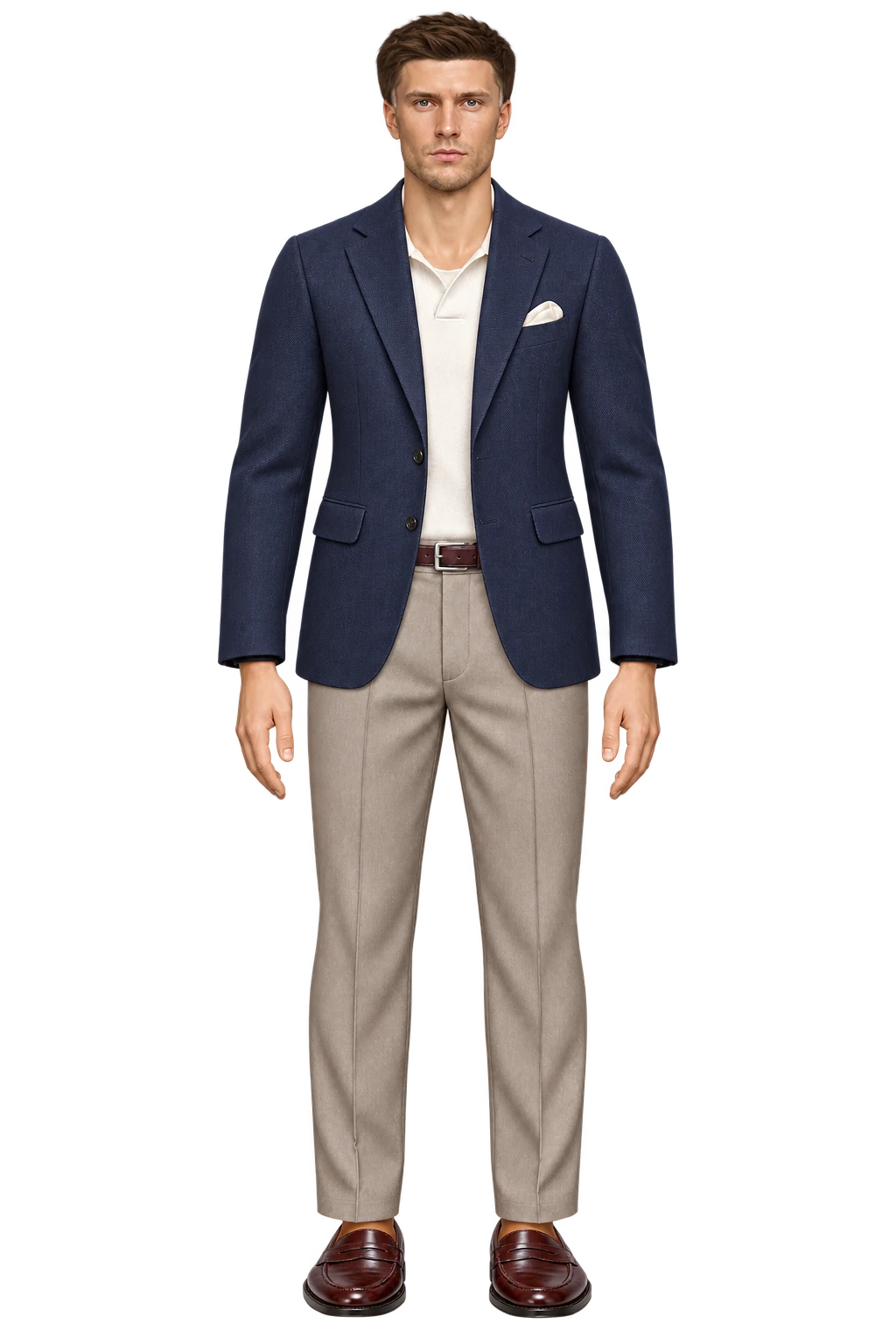
For men, smart casual is built on a collared or neatly cut top, chinos or dark jeans, and leather shoes. A blazer lifts the look a step, but it is not compulsory.
Outfits to try: a white oxford shirt, a navy blazer, dark jeans and brown suede loafers. A navy knitted polo, stone chinos and white leather trainers. A pale blue shirt under a grey fine-knit jumper, charcoal wool trousers and brown Chelsea boots. A khaki overshirt over a white T-shirt, navy chinos and suede derbies.
A tie is not part of smart casual, so leave the top button undone. Tucking your shirt in usually looks neater, and a belt in the same colour family as your shoes makes the outfit look deliberate. These pieces work well together:
- Trousers: chinos, tailored trousers, dark straight-leg jeans, wool or flannel trousers.
- Tops: oxford or linen shirts, knitted or piqué polos, fine-knit jumpers, plain T-shirts.
- Layers: unstructured blazers, overshirts, trench coats, wool overcoats.
- Shoes: loafers, suede derbies, Chelsea boots, plain white leather trainers.
Can you wear jeans, trainers or a T-shirt for smart casual?
Yes, you can wear jeans, trainers and a T-shirt for smart casual, provided you choose the right versions and pair them with something more polished. Condition, cut and company matter more than the garment type. Check what you own against these:
- Jeans: dark-wash, unripped, straight or slightly relaxed jeans work. Light washes, heavy distressing and very skinny cuts pull an outfit back to casual.
- Trainers (sneakers): white or single-colour leather trainers with small logos and clean soles work. Running shoes, chunky soles and bright designs do not.
- T-shirts: a plain, heavyweight cotton T-shirt works, especially under a blazer or cardigan. Graphic prints, large logos and sports fabrics do not.
- Shorts: usually not accepted. At a clearly relaxed venue, such as a seaside restaurant, tailored linen shorts with a shirt may pass.
- Sandals and flip-flops: simple leather sandals work for women. Men’s sandals are usually read as too casual, and flip-flops fall outside the code for everyone.
Do you need a blazer for smart casual?
No, a blazer is not required for smart casual, but it is the quickest way to make an outfit look finished. Bring one for evening events, unfamiliar settings and interviews. At a daytime lunch, a fine knit, overshirt or long cardigan does the same job.
The most useful blazer here is unlined or half-lined with soft shoulders, in navy, grey, beige or brown, so it works with jeans, chinos and tailored trousers alike. A suit jacket in shiny, formal cloth can look as though it has lost its trousers; a textured wool, linen or cotton jacket sits more comfortably with denim.
What to wear to a smart casual interview
For a smart casual interview, stay at the polished end of the code: a shirt or blouse, tailored trousers or very dark jeans, a blazer and leather shoes. Leaning slightly smart rarely causes problems, while leaning too relaxed can.
For women, try a pale blue shirt, navy tailored trousers, a beige blazer and black loafers, or a grey fine knit with a black midi skirt and low block heels. For men, try a pale blue oxford shirt, a navy blazer, stone chinos and brown derbies. In relaxed fields such as software or design, a fine knit, dark jeans and white leather trainers may be enough. If you can, look at team photos the company shares, or ask the recruiter.
When an interview invitation says smart casual, the company is not expecting a suit or weekend clothes. If you feel more confident in a suit, wear it without the tie.
Smart casual outfits for the office, dinner and events
Smart casual reads slightly differently by setting: plainer at the office, richer fabrics at dinner, and a step more polished at a work event or reception. The table uses pieces many wardrobes already have.
Black is easy for evenings, but navy, burgundy, emerald, chocolate brown and charcoal look just as composed. At a work dinner or reception, plain colours, good fabric and simple accessories matter more than the colour itself. If the invitation says cocktail or business attire, go one level up. For a smart casual wedding, choose the dressier rows and leave jeans at home. For romantic dinners, see our first date outfit ideas.
| Occasion | Women | Men |
|---|---|---|
| Smart casual day at the office | Grey fine knit, black straight-leg trousers, black loafers | Navy knitted polo, stone chinos, brown suede loafers |
| Lunch or daytime meet-up | Blue striped shirt, cream tailored trousers, white leather trainers | White linen shirt, dark jeans, white leather trainers |
| Dinner at a restaurant | Satin blouse, dark straight-leg jeans, black blazer, low-heeled ankle boots | Dark green fine-knit jumper, charcoal wool trousers, Chelsea boots |
| Work dinner, reception or smart casual wedding | Burgundy knitted dress or navy midi dress, light jacket, low heels | Navy blazer, pale blue shirt, grey wool trousers, leather derbies |
| Weekend gathering at a friend’s home | Long cardigan, plain T-shirt, midi skirt, ballet flats | Overshirt, plain T-shirt, chinos, suede boots |
How to wear smart casual in summer and winter
In summer, build smart casual from breathable linen, cotton and fine knits; in winter, switch to wool, flannel, corduroy and heavier knitwear. Only the fabrics and layers change.
For summer, women can try wide-leg linen trousers, a sleeveless silky top and leather sandals, or a cotton shirt dress with white leather trainers. Men can try a linen shirt, beige linen trousers and suede loafers, or a knitted polo, light grey chinos and white leather trainers. If you want a jacket in the heat, choose unlined linen or cotton.
For winter, women can try a fine roll-neck, a wool midi skirt, opaque tights and ankle boots, or a cream knit, dark jeans and a camel coat. Men can try a roll-neck under a wool blazer with flannel trousers and Chelsea boots, or a shirt under a V-neck jumper with dark jeans and suede derbies. Coats count as part of the outfit; a plain, matte padded jacket fits better than a shiny one. For cold-weather workwear, see winter office outfits.
Common smart casual mistakes
The most common smart casual mistake is letting the whole outfit slide to one side, so that every piece is sporty or every piece is formal. Beyond that, these small issues come up most often:
- Treating a full suit without a tie as smart casual. Splitting the suit and pairing one half with a different piece fits better.
- Wearing minimal leather trainers with shiny suit trousers. They sit far better with chinos and jeans.
- Creased shirts, bobbled knits and worn-down heels. Much of the “smart” comes from upkeep.
- Combining a patterned shirt, patterned jacket, bright shoes and a hat. One statement piece is enough.
- Ripped or light-wash jeans, logo sweatshirts, gym leggings or running shoes.
- Sleeves and trousers that are too long, which make even good fabric look untidy.
How to build smart casual outfits from your own wardrobe
You do not need a new wardrobe for smart casual. A blazer, two or three plain tops, tailored trousers or chinos, dark jeans and two pairs of shoes make a surprising number of outfits. See capsule wardrobe essentials for the basics that work hardest, and how to put together an outfit for combining them.
In Kulis, you can type a note such as “smart casual dinner” or “job interview, smart casual” into Describe your plans and get suggestions from the pieces you have saved. Using Change pieces to swap the blazer or shoes and comparing both versions on the mannequin shows which piece is doing the formal work. The final call is still best made in front of a mirror.
Frequently asked questions
What does smart casual mean?
Smart casual means relaxed everyday clothes worn with at least one more polished piece, such as a blazer, a collared shirt, tailored trousers, a fine knit or leather shoes. No suit or tie is needed. Dark unripped jeans and clean leather trainers are accepted in most settings, while shorts, flip-flops, ripped jeans and gym wear usually are not.
Can you wear jeans for smart casual?
Yes, you can wear jeans for smart casual. Choose a dark-wash, unripped pair in a straight or slightly relaxed cut, and add a shirt, fine knit or blazer. Light washes, distressing and very skinny cuts pull the outfit back to casual. For a more formal event or an interview, tailored trousers or chinos are the safer choice.
Can you wear trainers or sneakers with smart casual?
Yes, plain trainers can work with smart casual. A white or single-colour leather pair with small logos and clean soles goes well with chinos, dark jeans and tailored trousers. Running shoes, very chunky soles and bright or scuffed designs do not fit the code. For an evening event or an interview, leather loafers, derbies or boots leave less room for doubt.
Is smart casual the same as business casual?
They are close but not the same. Business casual is designed for the office and usually means tailored trousers, a shirt or blouse, often a jacket and leather shoes. Smart casual is more flexible, allowing dark jeans, fine knits, polo shirts and minimal leather trainers, with the jacket optional. Some workplaces use the terms interchangeably, so watch what people actually wear.
Can women wear a dress for smart casual?
Yes, a dress suits smart casual very well. A shirt dress, knitted dress or simple knee-length or midi dress in a daytime fabric all work. Pair it with loafers, ballet flats, ankle boots or low-heeled sandals, and add a blazer or long cardigan if it is cool. Sequinned and satin evening dresses sit closer to cocktail.
Should I wear a suit to a smart casual interview?
You do not need a suit for a smart casual interview; the wording tells you the company is not expecting one. A shirt or blouse with tailored trousers or very dark jeans, a blazer and leather shoes is the most balanced choice. If you feel more confident in a suit, you can still wear it, but leaving off the tie and opening the top button suits the tone better.
What does smart casual mean for a wedding?
At a wedding, smart casual sits at the dressier end of the code. Women can wear a midi dress, knitted dress or smart jumpsuit with low heels or dressy flats. Men can wear a blazer, an open-collar shirt and tailored trousers or chinos with leather loafers or derbies. Leave jeans and trainers at home unless the couple says otherwise.
Adapt these starting ideas to your plans, comfort and personal style.
Get Kulis