 kulis
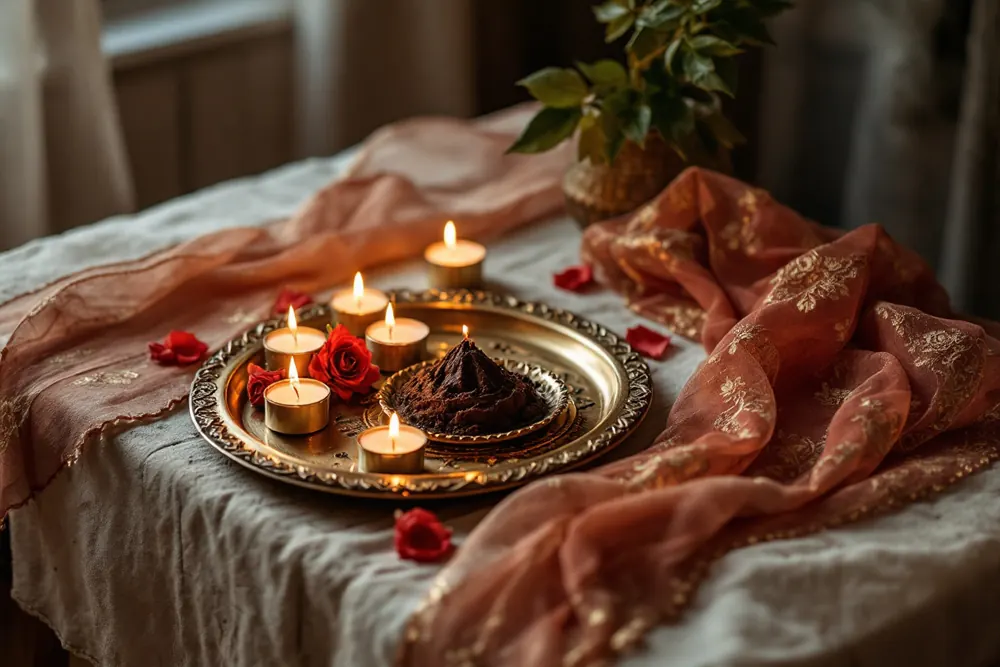
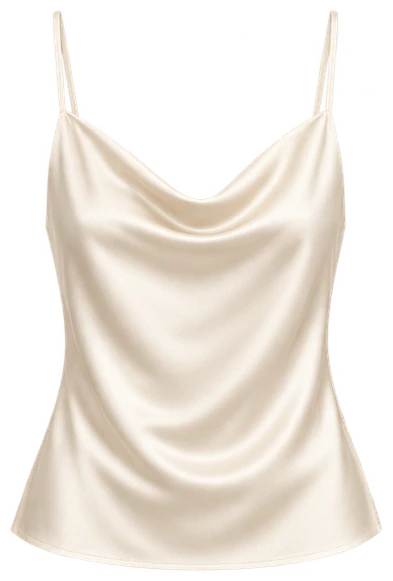
At a henna night, wear something festive and a little dressy that you can sit, clap and dance in: for women, a jewel-toned midi dress or a satin blouse with tailored trousers; for men, a pressed shirt and smart trousers, usually without a tie. Leave red and white to the bride unless the hosts say otherwise, and choose emerald, navy, plum, gold or blush instead. Avoid pale cuffs and wide floaty sleeves, because henna stains fabric and the henna tray is usually carried in with lit candles.
What should you wear to a henna night as a guest?
For a henna night, the safest guest outfit is festive, a step dressier than everyday clothes and easy to move in. A henna night is the pre-wedding celebration where henna is applied to the bride’s hands, usually held the evening or a few days before the wedding. In Turkey it is called kına gecesi; South Asian families hold a mehndi, and many Arab and North African families have their own henna night. This guide uses the Turkish kına as its main example, with notes on the related traditions further down.
Most kına nights are more relaxed than the wedding but far livelier than a dinner. You will stand when the henna tray comes round, clap along to songs and quite possibly end up dancing. Choose clothes you would wear to a friend’s celebration, in a colour that does not compete with the bride, with sleeves and shoes that cope with henna, candles and dancing. For the main day, see wedding guest outfits for women and what to wear to a wedding for men.
What happens at a Turkish henna night?
A Turkish henna night is an evening of music, food and ritual in which the bride’s family and friends gather to apply henna to her palms before she leaves her family home. Traditionally it was hosted by the bride’s family and attended mainly by women; today many are mixed gatherings held at home, in a garden or in a hired hall.
The bride usually wears a bindallı, a long velvet dress with gold embroidery, most often in red or deep purple, with a red veil over her face. At the key moment the lights are dimmed and friends carry in a tray of henna paste surrounded by lit candles. Songs are sung while the henna is applied, the mood often turns emotional, and then the dancing begins. Guests may be offered a dab of henna on the palm or a small bag of it to take home. Customs vary by region and family, so treat this as a general picture.
First, ask what kind of henna night it is
The quickest way to get the outfit right is to ask the bride or a close friend what kind of henna night it will be. A small kına at home or in a garden, with only women, is relaxed, and you can dress more casually or more freely. A mixed evening in a hall with a DJ and a long guest list sits close to a wedding in formality. Some couples plan a themed night with its own dress code.
Two short questions cover most of it: is there a theme or a colour we should wear, and is it women only or mixed? Close friends are sometimes asked to wear a matching colour, a sash or a particular accessory, and that is usually arranged well in advance.
Henna night outfits by setting
Match the outfit to the venue and the season first; the table gives starting points for women and men using pieces many wardrobes already contain.
| Setting | Women | Men |
|---|---|---|
| Small henna night at home or in a garden | Plain or floral midi dress, or a skirt and blouse; flat sandals or ballet flats; a light shawl for later | Shirt or polo shirt, chinos or clean dark jeans, loafers or plain leather trainers |
| Mixed henna night in a hall | Satin or chiffon midi dress in a jewel tone, or a satin blouse with wide-leg tailored trousers; block heels | Plain shirt, tailored wool or cotton trousers, an optional blazer, leather shoes; no tie needed |
| Traditional or themed night | A simple dress with one embroidered piece or the agreed accessory; gold-tone jewellery | Plain shirt and trousers, with a waistcoat if it suits the theme |
| Winter henna night | Long-sleeved velvet, crepe or fine knit dress, sheer tights, ankle boots or low heels; a coat roomy enough for the sleeves | Fine knit or shirt, wool-blend trousers, Chelsea boots or derbies, a wool overcoat |
What colour should you wear to a henna night?
Choose a rich, festive colour other than red: emerald, navy, plum, aubergine, teal, mustard, gold and dusty pink are all safe for a Turkish henna night. Red and burgundy are closely linked with the bride’s veil and bindallı, so wearing them can look as if you are matching or competing with her in photos. It is not a strict rule, and some families do not mind, but if you are unsure, keep red to a small detail such as a bag or lipstick. If the bride wears purple, apply the same thinking to that shade.
White and ivory follow the same logic as at a wedding: leave them to the bride. Black is usually acceptable at a Turkish kına, especially in a hall or in winter, though brighter colours suit the mood better; add gold jewellery or a coloured shawl if you wear it.
- Safe choices: emerald, navy, plum, aubergine, teal, mustard, gold, champagne, dusty pink and lilac.
- Ask first: red, burgundy, the bride’s own colour if it is purple or green, and any colour reserved for her close friends.
- Leave to the bride: white, ivory and anything that resembles a bindallı.
- Fine with care: black, lifted with gold or colour, and pale pastels, on which henna marks show easily.
Henna night outfit ideas for women
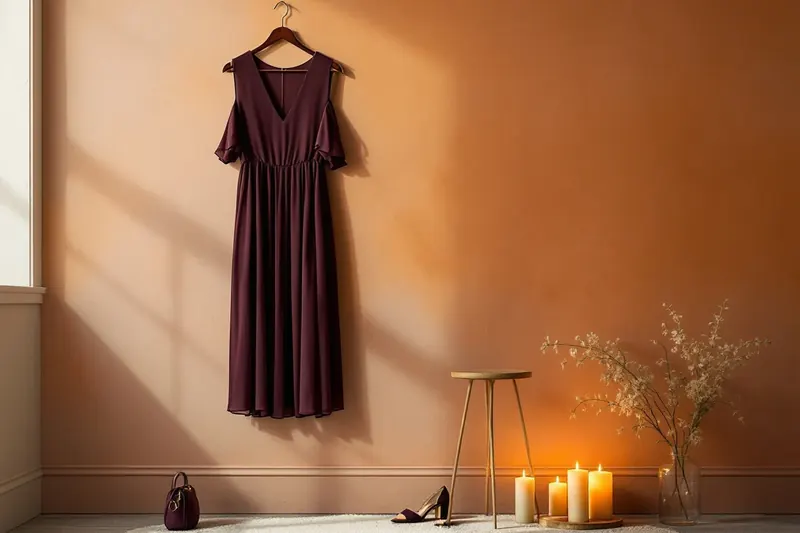
A midi dress in a fluid fabric is the easiest henna night outfit for women, because it looks dressy, moves well when you dance and needs little planning beyond shoes. Satin, chiffon, crepe and soft velvet all suit the evening. If you prefer trousers, a satin or embroidered blouse with wide-leg tailored trousers looks just as festive.
If the dress is plain, let accessories mark the occasion: gold-tone jewellery or an embroidered bag. Keep rings and bangles light on the hand that may receive henna.
- Plum chiffon midi dress with short flutter sleeves, block-heel sandals and a small structured bag.
- Emerald satin slip dress with a fine cropped cardigan or a sheer shawl over the shoulders, gold hoops and low heels.
- Champagne satin blouse tucked into navy wide-leg trousers, with pointed flats and a clutch.
- Long-sleeved navy velvet wrap dress with sheer tights and ankle boots for a winter kına.
- Dusty pink pleated midi skirt with a fitted navy knit and ballet flats for a small kına at home.
What do men wear to a henna night?
Men can wear a plain shirt and smart trousers to most henna nights; a tie is rarely needed and a jacket depends on the venue. In Turkey the henna ritual itself is traditionally centred on women, and at some kına nights men do not attend or only join for part of the evening. At mixed kına nights in halls, male guests usually dress smart casual, a step below what they will wear to the wedding. Smart casual means polished everyday clothes: a collared shirt, tailored trousers or dark chinos, and leather shoes.
For a garden kına, try a light blue oxford shirt with navy chinos and brown suede loafers. For a hall, a white or pale grey shirt, charcoal wool trousers, a navy blazer and black derbies work well; in winter, add a fine merino knit and Chelsea boots. If you will take the jacket off to dance, make sure the shirt is pressed and fits on its own. Clean dark jeans suit a small home or garden kına; in a hall, tailored trousers fit in more easily.
The groom is a different case: some regions and families hold a separate men’s or groom’s henna, sometimes with traditional clothing. If you are the groom, decide together with the bride so your outfits work side by side in photos.
Modest outfits for a henna night
A long dress, a trouser suit, or a tunic with wide-leg trousers all work well if you dress modestly for a henna night. A long-sleeved maxi dress in emerald, navy or plum satin or crepe is a reliable choice, and covering shoulders and knees is a sensible default with more traditional families.
At women-only kına nights, some guests who cover in mixed company choose a more open outfit or leave off their headscarf, and others do not. That is entirely your decision, and knowing in advance whether the evening is women only makes it easier. If you wear a headscarf, a satin or chiffon scarf suits the evening; pin it securely so it stays in place while you dance, and keep long scarf ends away from the candle tray.
Henna, candles and dancing: practical tips
A henna night is not an evening of sitting still, so test your outfit for movement before you go. Most practical problems come from three things: henna paste, open flames and dancing.
- Henna stains fabric. If you are offered henna, keep light-coloured cuffs and sleeves away from your hand and let the paste dry before touching your clothes. Dark colours and patterns hide small accidents better than white or pastels.
- If henna gets on your clothes, lift the paste off without rubbing it in and rinse the spot in cold water as soon as you can.
- The henna tray is carried in with lit candles, and friends often hold candles around the bride. Wide chiffon sleeves, fringing and loose scarf ends need care near the flames.
- To dance comfortably, choose block heels, wedges or flats over thin high heels, or keep foldable flats in your bag.
- Try a strapless or strappy top with your arms raised in front of a mirror; folk dances involve a lot of arm movement and clapping.
- Garden kına nights can mean grass or gravel underfoot and a cool breeze after dark, so bring a shawl or a light jacket.
Going to a mehndi or another henna night?
The same principles apply to henna nights in other traditions: festive colour, comfortable clothes and a respectful distance from the bride’s look. The details differ, so a quick question to the hosts is always worthwhile.
At a South Asian mehndi, bright colours are the norm: yellow, green, orange, pink and turquoise are popular, red is usually the bride’s, and plain black or white can feel out of step with the mood. Many families are happy to see guests in a lehenga, salwar kameez or kurta, and a bright, dressy Western outfit is often fine too. If you would like to wear traditional clothes, asking the family for advice is a kind way to show interest.
Arab and Moroccan henna nights also vary from family to family, from women-only evenings where guests wear their most glamorous dresses to gatherings where kaftans or embroidered dresses are customary. If you are invited to one, ask the bride or a family member what guests usually wear; most hosts are glad to be asked.
What do bridesmaids wear to a henna night?
Bridesmaids and close friends at a henna night usually wear whatever the bride has chosen for them, often a shared colour, a matching sash or one coordinated accessory. If nothing has been decided, choose a colour that sits well next to hers in photos: with a red bindallı, gold, champagne, emerald and navy look good; with a purple one, gold, blush and silver-grey are easy choices.
Even with a theme, the bindallı and the red veil stay with the bride unless she asks friends to wear traditional dress too, in which case she usually arranges the outfits. Mothers of the couple tend to dress as they would for an elegant evening event, often in a long dress or a smart two-piece.
Plan your henna night outfit from your own wardrobe
You do not need a separate new outfit for the henna night and the wedding, even in the same week. The same tailored trousers can go with a satin blouse at the kına and a different top and jacket at the wedding; the same midi dress can change with shoes, a bag and a shawl. Start with one piece you already like, as described in how to create outfits with your own clothes.
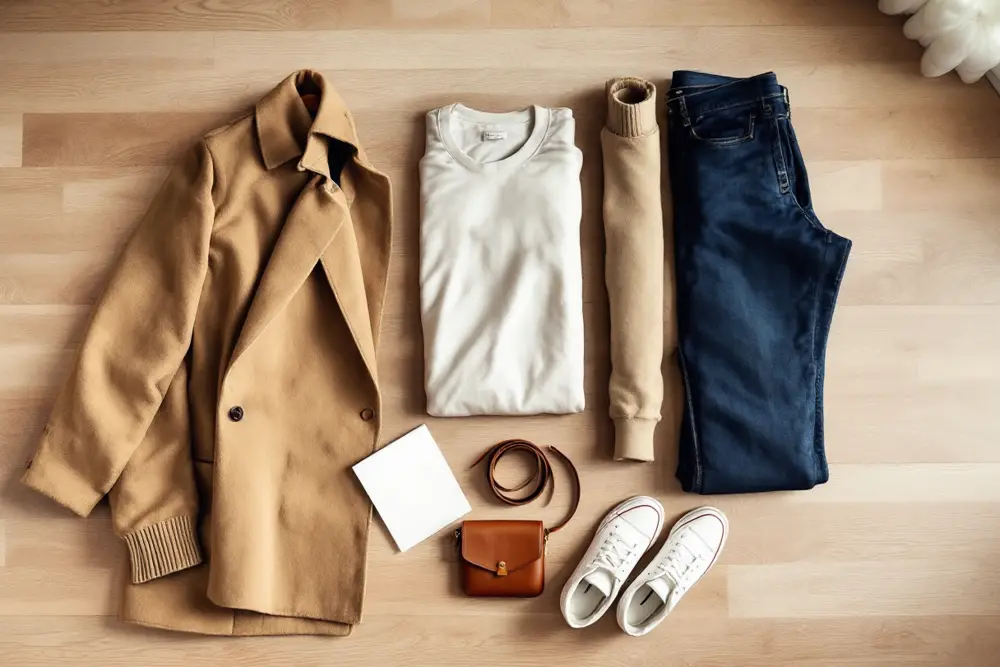
If your clothes are in Kulis, choose Henna night under “What’s the plan?” to get combinations from your own saved pieces, shown together on a mannequin. Use Change pieces to try a different top or shoes, then Add to my outfits to keep the version you like. Before the night, put the real outfit on and dance for a minute in front of the mirror, because a preview cannot show how a fabric moves.
Frequently asked questions
Can you wear red to a Turkish henna night?
You can, but it is safest to ask first. Red is the colour of the bride’s veil and very often of her bindallı, so a full red outfit may look as if you are competing with her in photos. Some families do not mind, especially at large mixed events. If you are unsure, choose emerald, navy, plum or gold and keep red to a small detail such as a bag or lipstick.
Can you wear black to a henna night?
At a Turkish kına, black is usually acceptable, especially for an evening in a hall or in winter, although jewel tones suit the celebratory mood better. Lift a black dress with gold jewellery, an embroidered bag or a coloured shawl. At a South Asian mehndi, plain black is more often avoided because the evening is all about bright colour, so check with the hosts before choosing it.
Do men go to a henna night?
It depends on the family and the tradition. A Turkish kına was traditionally a women’s evening, and many still are, while others are mixed parties where men attend all or part of the night. Some regions also hold a separate men’s or groom’s henna. The invitation or the couple will make this clear; if you are invited to a mixed kına, a shirt and smart trousers are enough.
Should I wear traditional clothes to a henna night if it is not my culture?
You do not have to, and a festive dress or a smart shirt and trousers is always a respectful choice. If the hosts suggest traditional clothing or offer to lend you something, wearing it is usually taken as a warm gesture. What to avoid is copying the bride: at a Turkish kına, the embroidered velvet bindallı and the red veil are hers unless she asks otherwise.
Will henna stain my clothes?
Yes, henna paste can leave an orange-brown stain on fabric, especially on light natural fibres such as cotton and linen. Keep cuffs and sleeves away from wet henna and let it dry before touching your clothes. If paste lands on fabric, lift it off without rubbing and rinse the spot in cold water as soon as possible. Dark colours and busy patterns hide small marks best.
Is a henna night more casual than the wedding?
Usually, yes. A Turkish kına is typically one step less formal than the wedding: men rarely need a tie, and women often choose a midi dress or a satin blouse with trousers rather than a long evening gown. Large kına nights in halls can come close to wedding formality, though, and you should plan for dancing, so wear shoes you can stand and move in for several hours.
Adapt these starting ideas to your plans, comfort and personal style.
Get Kulis